Our team of property and land experts are constantly analysing news from governments and industry leaders. We compile all our insights into one place.
Stay up-to-date with permitted development changes, new legislation and market movements.
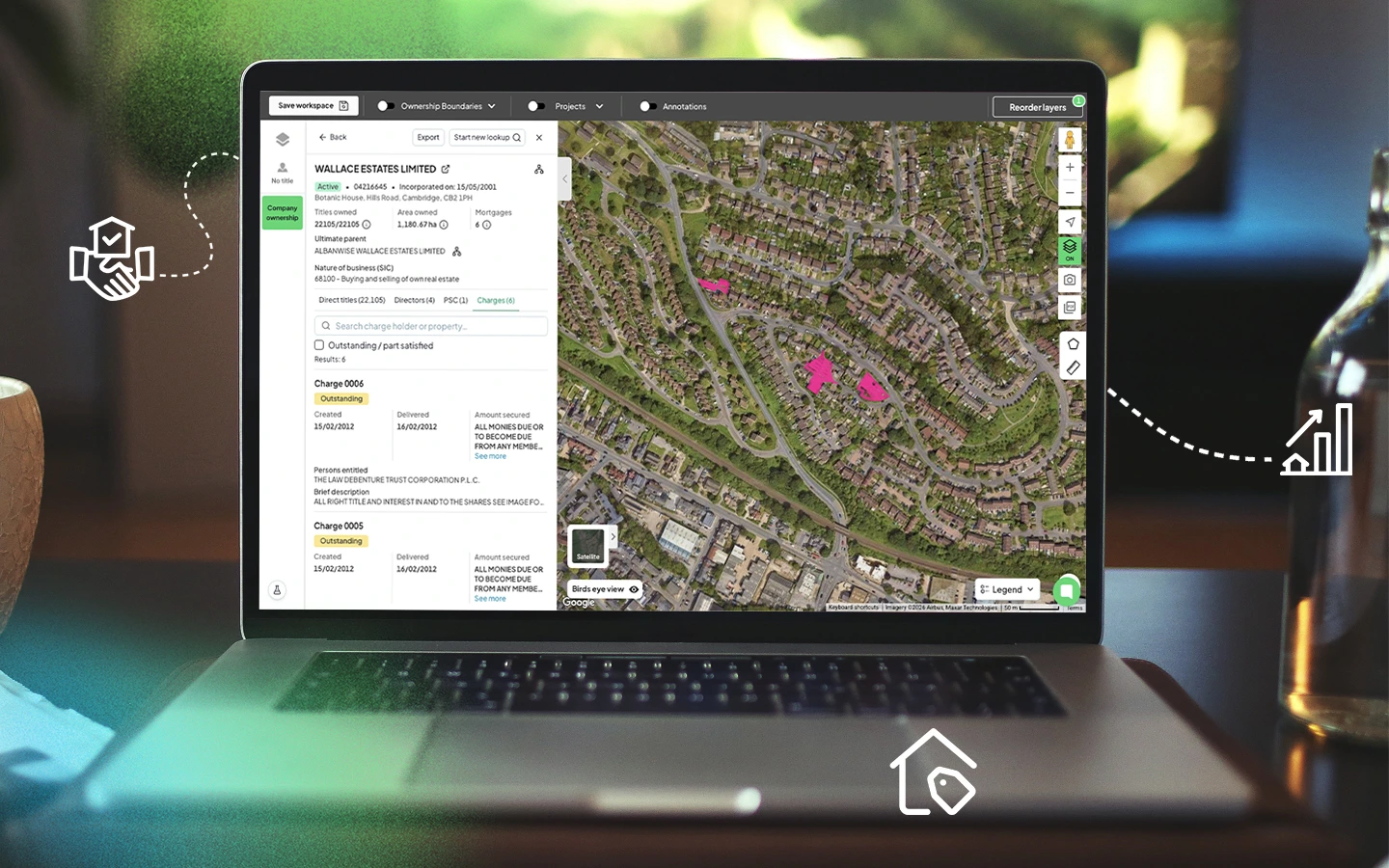
See the charge code, lender, and secured debt behind any company on Searchland's ownership page — built for due diligence, refinancing, and acquisition prospecting.
Our new integration with Zapier seamlessly connects Searchland with more than 6,000 other apps, helping you to automate workflows and connect data sources - speeding up your land-sourcing activity.
Sourcing land is a complex process with many factors to consider. To get the numbers right, it is important to be organised, efficient, and accurate. By following the best practices discussed in this blog, you can increase your chances of making a well-informed decision.
We've introduced AI (artificial intelligence) into Searchland, enabling you to find specific information about local council plan documents, adopted & emerging, within seconds.
Scotland-specific planning and land data is now on Searchland - the same depth of coverage as England and Wales, built into one platform.
It's designed to stop developers attempting to reduce their share of costs for local infrastructure, and affordable housing, when they start new projects. This includes costs across roads, GP surgeries and schools, shared with councils.
In protected land areas, it’s a requirement to offset the nutrient pollution caused by new construction. Read how developers can purchase 'nutrient credits' or create nutrient mitigation schemes themselves to meet requirements.
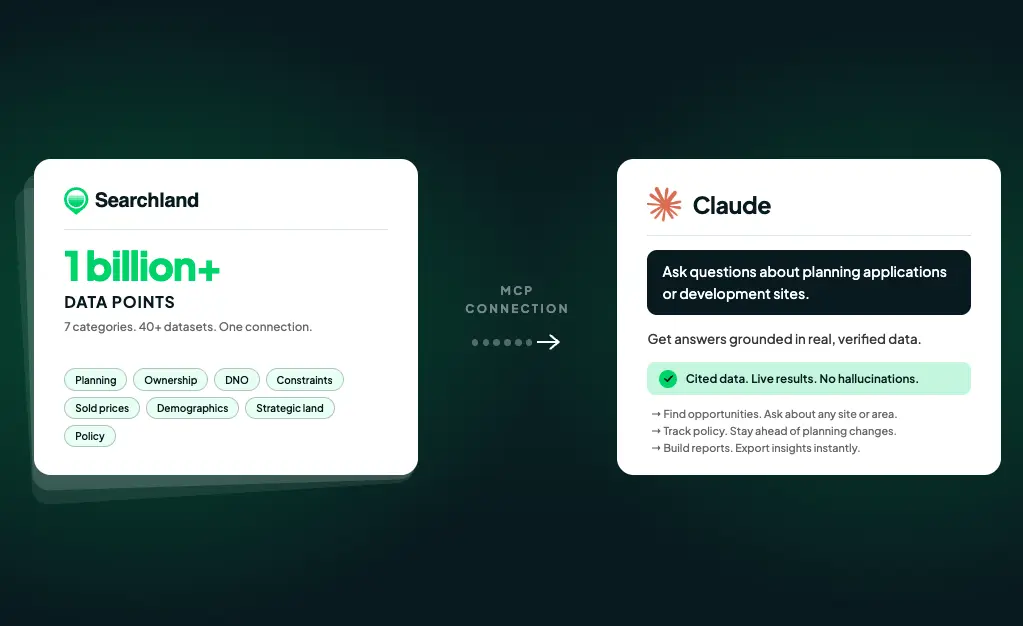
Connect Claude, ChatGPT, or Microsoft Copilot directly to live UK planning and land data — ownership records, planning history, constraints, live applications - and get sourced answers instead of hallucinated ones. Setup takes about five minutes. No developer needed.
MCP is the new standard letting AI assistants talk to your data. Here's what it means for site assessment, sourcing, and planning appraisals.
Searchland analysis reveals 823,574 potential homes near train stations in England, highlighting where development could be prioritised under proposed NPPF reforms - and how policy shifts could reshape land sourcing strategies.
Major housing schemes now take over 300 days to get planning approval - a 75% increase in a decade - highlighting that delays, not refusals, are the real bottleneck in the UK planning system.
Searchland has a clear mission: to transform the way property professionals source sites. Here's the full story on where we come from and how we're helping developers across the UK.
The Renters Reform Bill presents the biggest shake-up England’s private rented sector has seen in decades. Expected to pass in 2025, Build to Rent (BTR) and Private Rented Sector (PRS) developers will need to rethink everything from unit design and management strategies to how they navigate the planning process.
Carry out an online search for land, and sooner or later you are bound to come across the term ‘brownfield’.Here we take a deep dive into how it fits into planning policy and how Searchland can help you to source more brownfield development opportunities.
Learn the secrets of title splitting, a proven property development strategy that can boost ROI by 25-35% through dividing property titles to unlock hidden portfolio value
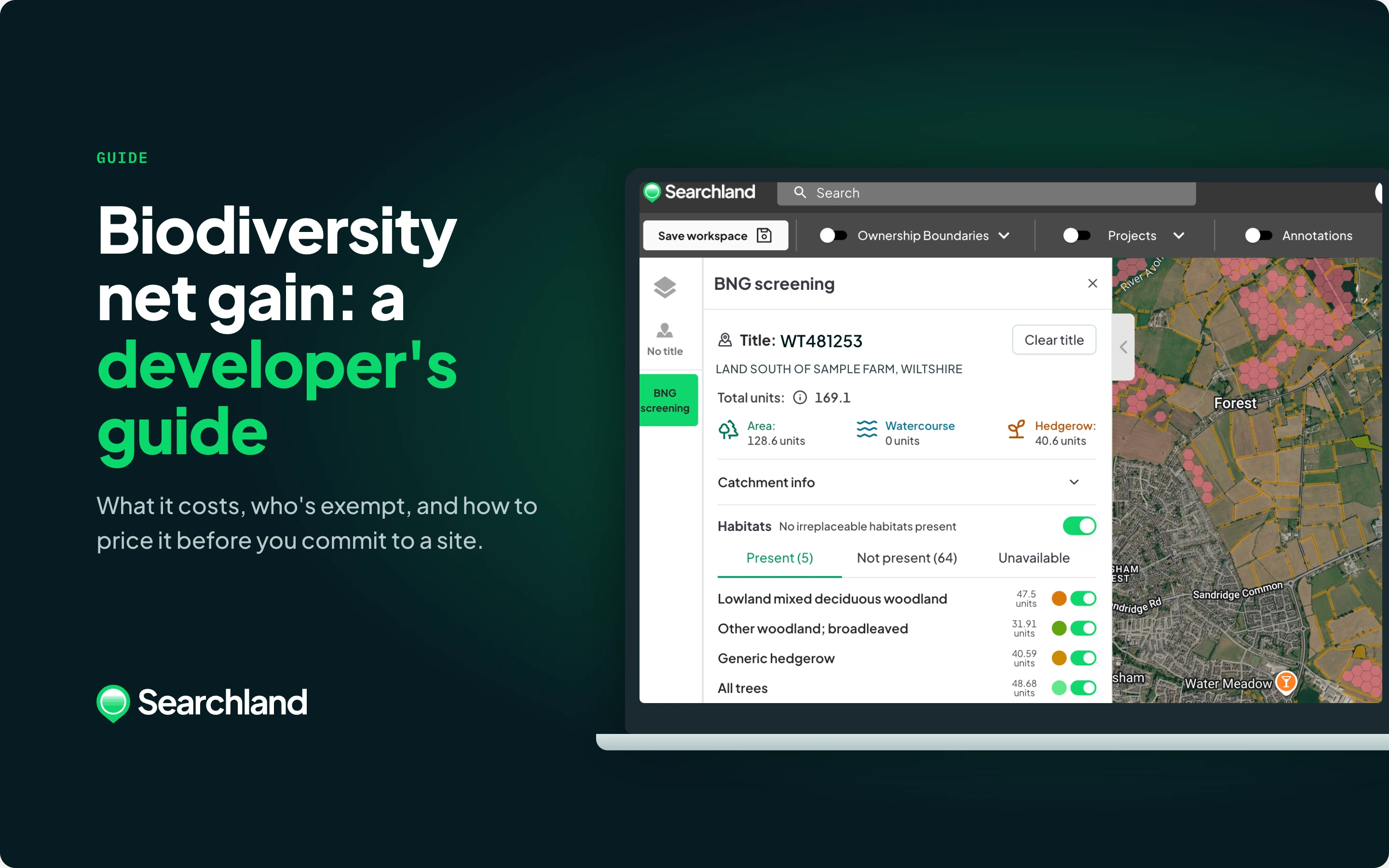
Biodiversity Net Gain poses challenges in costs, management, and council delays, yet offers opportunities for sustainable design, community engagement, and innovation. Our co-founder Hugh reflects on the key topics raised during our real estate round table discussion.
Gone are the days when shared living meant cramped student houses or basic HMOs. Modern co-living has evolved into a sophisticated asset class attracting major institutional investment. Why? Because it solves real problems in our cities.
Permitted development rights might look easy, but we know that decisions can still go against you. At Searchland, we've compiled 3 case studies to show where others went wrong (or right) and what you can do to improve your chances.
Driven by university growth and rising international student numbers, the need for student accommodation is creating significant opportunities for developers and investors.
How a specialist block agency finds off-market MUFBs: the ownership, leasehold and EPC filters used to source unsplit multi unit freehold blocks.
Sourcing a site is only half the job - the other half is getting a lender comfortable with the numbers. We hosted a webinar with Andrew Fraser, Chief Commercial Officer at Assetz Capital, to break down exactly how an agile lender's credit team assesses a deal, from first read to term sheet.
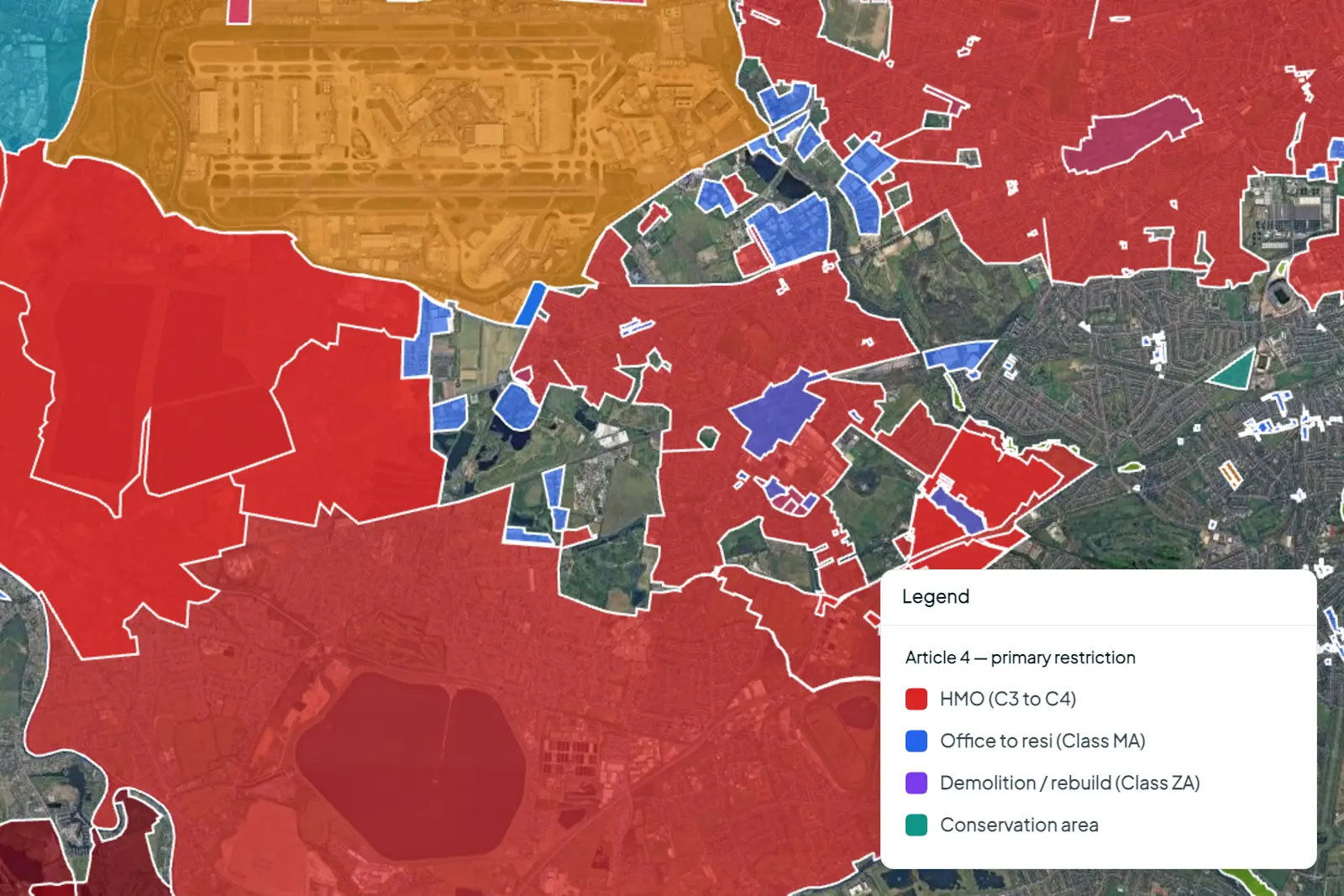
Article 4 Directions quietly withdraw permitted development rights, and they cover the majority of England's councils. Searchland's Article 4 data is now searchable by restriction type, PD right and use class.
MCP is everywhere right now. But not all connectors are built the same - and in property and planning, the difference shows up fast. Here's what to look for, and how Searchland stacks up.
Proposed NPPF reforms could introduce a “default yes” approach to development near train stations. We’ve analysed 1,000+ locations across England to identify where the biggest opportunities sit - and how to get ahead before policy is finalised.
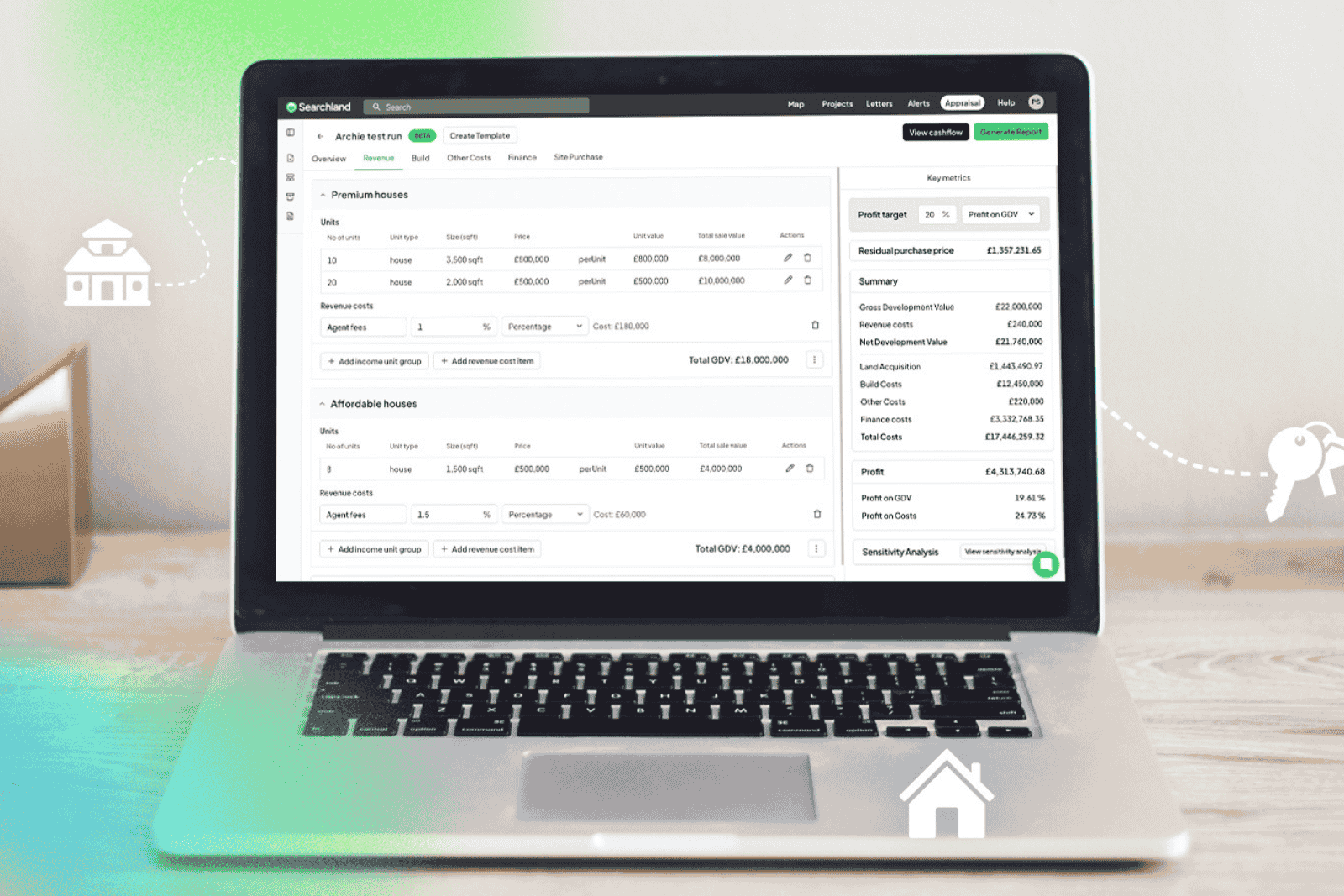
Sourcing and appraising development land in the UK requires using multiple site sourcing tools, from checking land ownership and planning history to assessing flood risk, environmental constraints, and site boundaries.
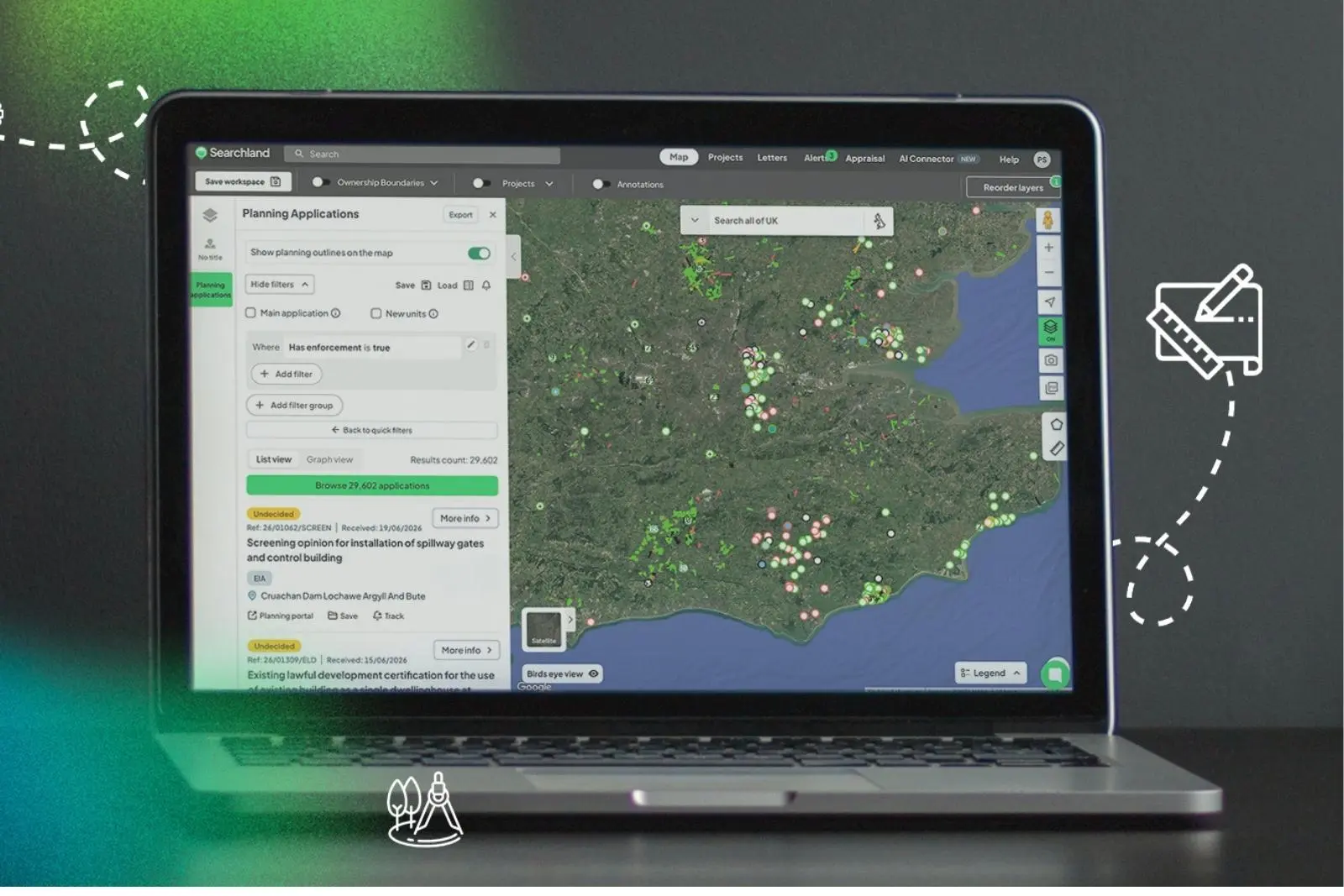
See planning enforcement notices against any application or title on Searchland - know who's breached planning rules before you commit to a site.
See every public EV charger in the UK on your map, powered by Zapmap - colour-coded by speed and built directly into site sourcing.
Searchland now maps the political make-up of every constituency, ward and district across England, Wales and Scotland - so you can read the local political climate before you commit to a site.
Over 3,000 Neighbourhood Plans across 300+ councils, now surfaced directly on the map - so hyper-local planning policy is visible from the first click.
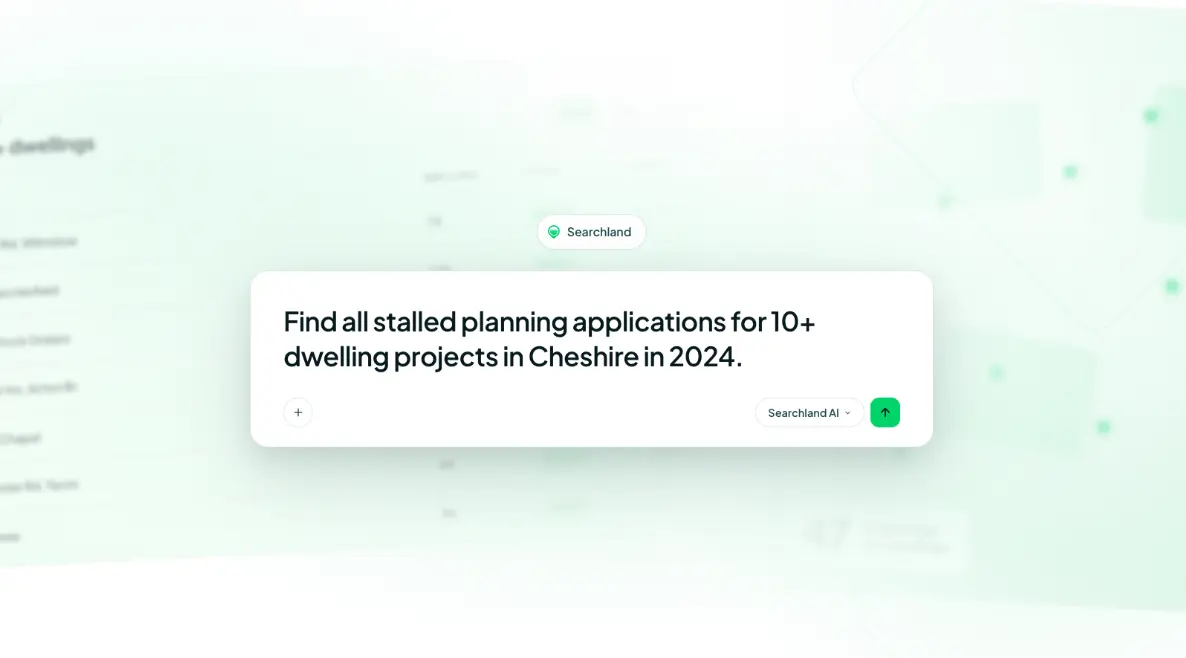
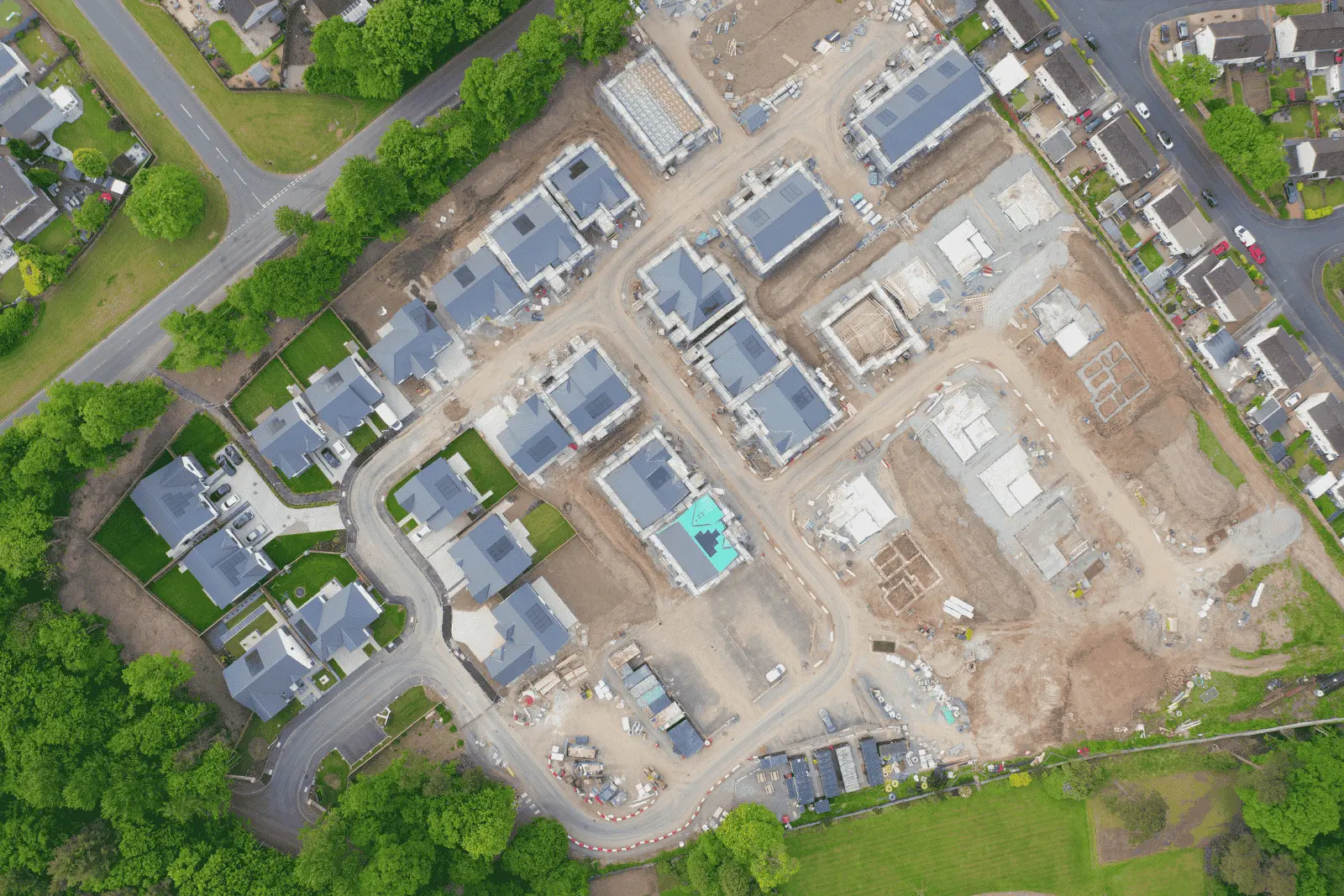
See planning comments, objections and real-world site activity for any application - track whether developments are built, stalled or completed.